Expert psychologist therapy in Sydney
Effective evidence-based therapy with a holistic approach

A safe place to explore, grow, and heal.
Evidence-based treatment is used most often to treat diagnosable conditions (i.e. Panic Disorder, Major Depressive Disorder, Anorexia, Post-Traumatic Stress Disorder) where symptoms are preventing the ability to function adequately in work or study, relationships, social activities, exercise or hobbies or are causing immediate and excessive distress.
I created InBody Psychology to offer an integrative approach to psychological therapy; scientifically-backed treatment paired with intuitive understanding of the mind-body connection. I have over 18 years of experience in a wide range of therapies, working with clients from every walk of life including internationally in the Middle East, Africa and India.
In my sessions I prioritise safety and trust, grounded in Hakomi therapy principles of organicity, non-violence, loving presence, and mind-body awareness. I aim to help you connect directly with the root cause of the problem and take back control of your own progress and healing. Wherever you are and whatever you are dealing with—you can find relief and reconnect with your authentic self.
Dr Hatton is highly trained in a number of evidence-based therapies including:

Cognitive Behaviour Therapy (CBT)
Acceptance and Commitment Therapy (ACT)
Dialectical Behaviour Therapy (DBT)
Schema Therapy
Addresses deeply rooted, long-standing core beliefs (schemas) formed in childhood, helping individuals understand and change how these patterns impact their lives today.
EMDR
A technique using bilateral stimulation (eye movements, tapping or sounds) to help process and reduce the impact of traumatic or distressing memories. It is primarily used in the cases of traumatic memory.
Hakomi-oriented therapy
A body-centered (somatic) psychotherapy developed by Ron Kurtz in the 1970’s. Hakomi comes from the native American Indian Hopi language meaning: “where do I stand in relation to the many realms?”. Hakomi therapy operates on the principle that the body holds implicit memories and patterns that influence our present experience. Through gentle, mindful exploration of physical sensations, gestures, and habitual postures, clients can uncover and transform core beliefs that may be limiting their lives. It’s a very experiential and compassionate approach, focusing on non-violence and mind-body holism.
Internal Family Systems (IFS)
Developed by Richard Schwartz in the 1980’s, IFS views the mind as a “family” of inner “parts” and a core “Self.” It helps individuals contact, honour and heal each of these parts to restore inner harmony and self-leadership.
Why Inbody Psychology?
Clear Insight into Root Cause
Identify the connection between your past experiences and your current emotions and behavioural patterns.

Holistic Mind-Body Healing
Start a therapy journey that treats your whole Self, not just the symptoms.

Real-Life Presence and Support
Allow yourself to have the “missing experiences” your mind-body are longing for, in real-time, in session.

Empowering You as Self-Healer
Discover your innate capacity for healing so that you can leave therapy with lasting change, where you are back in control of your life.
My therapy approach is based on individualised assessment and identification of the most effective therapeutic model that might fit the issue. Some of the psychological issues I treat include:
- Addiction
- Adjustment Disorder
- Anxiety Disorders
- Attachment issues
- Bipolar Disorder
- Chronic Health issues
- Depression
- Emotional regulation problems
- Grief and loss
- Health Anxiety (hypochondriasis)
- Life transitions (births, marriage, separation/ divorce, death)
- Menopause and peri-menopause
- Obsessive-compulsive disorder
- Panic Disorder
- Peri and post-natal issues
- Parenting issues
- Personality Disorders (narcissistic, Borderline, dependent)
- PTSD
- Sleep disturbance
- Worry
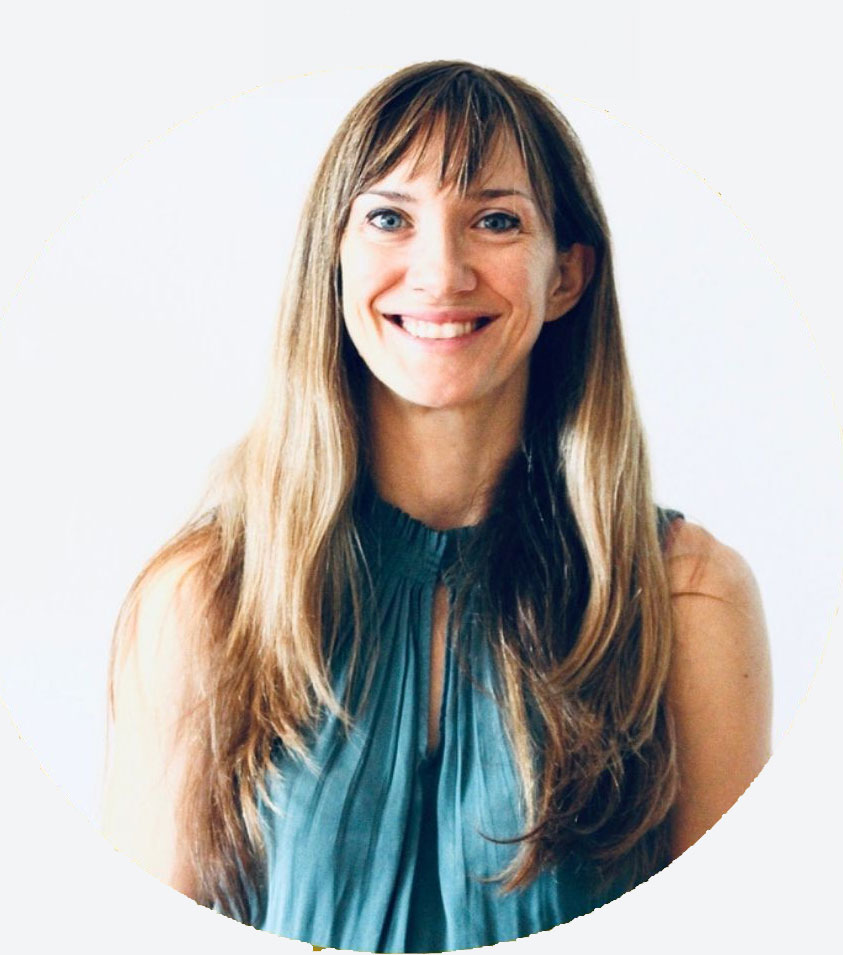
About Ileana
Dr Hatton studied for 10 years at the University of Sydney. After finishing her study she worked in a variety of settings including private practice, trauma services, Acute Care Teams, Sexual Assault services, Community Mental Health and internationally for Medecins sans Frontieres.
Ileana also brings lived experience and knowledge of many different cultural backgrounds including Tibetan Buddhist philosophy, Kabbalah and Jewish mysticism, shamanic practice and medicine circles. She engages in her own study and self-healing regularly using healing modalities including 5 Rhythms Dance Therapy, Acuenergetics, and Chinese medicine.
What people say
“It’s hard to express in words how much your wise words, direction and endless encouragement have helped guide me through these past few years. It has been a challenging and fulfilling period of personal growth for which I am most grateful. I do feel I’m on the right path and more determined than ever to keep at it. Thank you Ileana for your gentle and gracious manner.”
“Thank you for being such a significant part of my journey, for steadily unpacking my pain with me and for helping me be still long enough to find ME again- mind, body, heart and soul. With your help my smile became a giggle, and is steadily heading for a full-on belly laugh!”
Frequently Asked Questions

What's the difference between a Psychologist, a Clinical Psychologist, and a Psychiatrist?
One of the most widely researched evidence-based therapies, CBT focuses on changing unhelpful thought patterns and unwanted behaviours to improve functioning and well-being.
Do I need a GP referral to see a clinical psychologist?
Instead of trying to control or change difficult thoughts and feelings, ACT helps individuals learn to accept them and shift focus to committed action towards their goals and values. It uses metaphors, mindfulness, and experiential exercises to help clients live a rich and meaningful life by fostering psychological flexibility.
What can I expect from a therapy session?
A behavioural approach that focuses on balancing emotional dysregulation through skills training in 4 different areas: mindfulness, distress tolerance, emotional regulation and interpersonal effectiveness. It is the gold-standard of treatment for Borderline Personality Disorder but has also shown effectiveness for addictions, eating disorders, self-harm behaviour and ADHD.
Do you see people under Worker’s Compensation?
Addresses deeply rooted, long-standing core beliefs (schemas) formed in childhood, helping individuals understand and change how these patterns impact their lives today.
How many sessions do I need?
A technique using bilateral stimulation (eye movements, tapping or sounds) to help process and reduce the impact of traumatic or distressing memories. It is primarily used in the cases of traumatic memory.
Can I get sessions under insurance?
A body-centered (somatic) psychotherapy developed by Ron Kurtz in the 1970’s. Hakomi comes from the native American Indian Hopi language meaning: “where do I stand in relation to the many realms?”. Hakomi therapy operates on the principle that the body holds implicit memories and patterns that influence our present experience. Through gentle, mindful exploration of physical sensations, gestures, and habitual postures, clients can uncover and transform core beliefs that may be limiting their lives. It’s a very experiential and compassionate approach, focusing on non-violence and mind-body holism.
I’m not an Australian citizen, can I still access sessions?
Developed by Richard Schwartz in the 1980’s, IFS views the mind as a “family” of inner “parts” and a core “Self.” It helps individuals contact, honour and heal each of these parts to restore inner harmony and self-leadership.